

- Tel:0086-0595-83993333
- cel:0086-13506902333
- E-mail:admin@jqfibre.com
- add:Longshi Road, Fashion Apparel Industrial Park, Longhu Town, Jinjiang City, Fujian
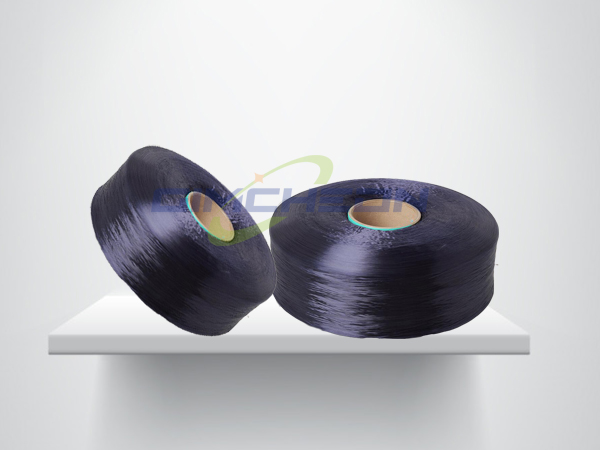
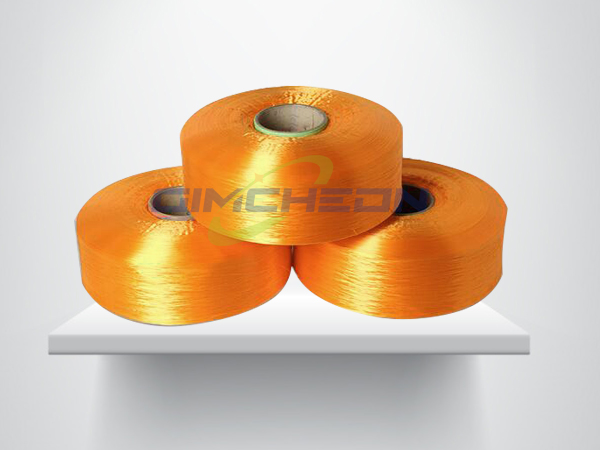
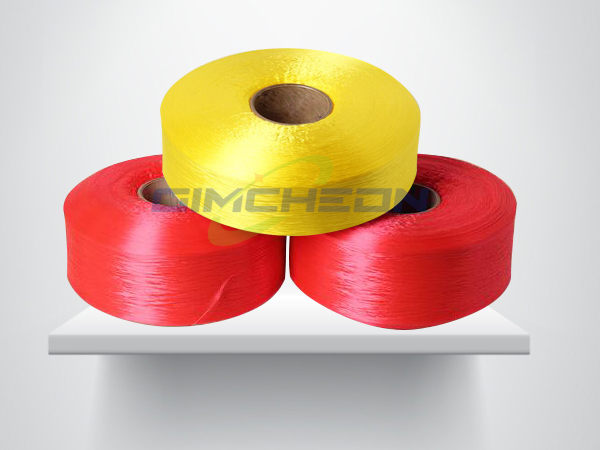
In the context of continuous innovation in chemical fiber products, Polypropylene light body yarn, as a yarn variety with lightweight characteristics, has gradually come into the view of textile industry practitioners. This type of yarn, through a special spinning process, maintains the inherent properties of polypropylene while reducing the weight per unit length, providing more options for the development of downstream products.
The core technology of Polypropylene light body yarn lies in the regulation of its structure. By modifying the design of the spinneret or adjusting the cooling and forming process, micro pores or irregular cross-sections can be formed inside the fibers, thereby reducing the actual weight of the yarn under the same fineness conditions. This lightweight characteristic is of practical value for textiles that aim for a lightweight feel or to reduce the weight of the finished products.
The low density characteristic of polypropylene material is further extended to lightweight yarn products. The density of polypropylene is approximately 0.9 grams per cubic centimeter, allowing it to float on water on its own. The lightweight yarn, through structural optimization, can contain more air within a unit volume, further reducing the apparent density. When used to make sports clothing or outdoor equipment, it can alleviate the burden on the wearer.
In terms of heat conduction performance, Polypropylene light body yarn also has its own characteristics. Due to the presence of many static air layers inside the fibers, the fabrics made from this type of yarn perform well in terms of thermal insulation, while maintaining good breathability. In products such as thermal underwear and inner linings of sleeping bags, Polypropylene light body yarn can balance the need for insulation with wearing comfort.
The moisture-absorbing and sweat-wicking function is also one of the application directions of polypropylene lightweight yarn. Polypropylene itself does not absorb moisture; the moisture mainly conducts on the surface of the fiber. The irregular cross-section increases the specific surface area of the fiber, enabling sweat to diffuse and evaporate more quickly. This characteristic is suitable for use in sports socks, cycling suits, and other scenarios that require rapid sweat dissipation.
In the production process, the control of the spinning temperature for polypropylene lightweight yarn is particularly crucial. Due to the unique internal structure of the fibers, the flow state of the molten material and the cooling rate need to be precisely coordinated to ensure the stability of the cross-sectional shape. For spinning enterprises, choosing high-quality lightweight yarn raw materials can reduce the breakage rate and defects during weaving.
In terms of cost, the unit weight of polypropylene lightweight yarn covers a larger area. The same weight of yarn can be used to weave more lengths of fabric, which is helpful for controlling the cost of raw materials. At the same time, the price of polypropylene material is relatively stable, providing more room for product pricing.
At present, the application scope of polypropylene lightweight yarn is still expanding. Besides the traditional textile field, in industrial uses such as filter materials, automotive interiors, and filling materials, the lightweight and chemical stability characteristics of this type of yarn have also attracted attention. With the increasing demand for functionality and lightweighting in downstream industries, the market space for polypropylene lightweight yarn is expected to expand further.
Founded in 2011, Jinjiang Deke Textile Co., Ltd. is located in Jinjiang, the “brand capital”, with convenient transportation and 7 kilometers from Jinjiang International Airport. The company now covers an area of about 30 acres and a building area of about 20,000 square meters. It is a company specializing in R&D, production and sales of polypropylene filaments.
Our company has 20 polypropylene FDY production lines and several supporting equipment. It mainly produces 300D-1200D polypropylene reclaimed yarns, polypropylene yarns and polypropylene hollow yarns with an annual output value of about 7,000 tons. Jinjiang Deke Textile has been adhering to the spirit of Jinjiang people's love to fight, and has developed various colors of anti-aging, anti-UV, anti-bacterial, anti-static, anti-flame-retardant functional fibers.
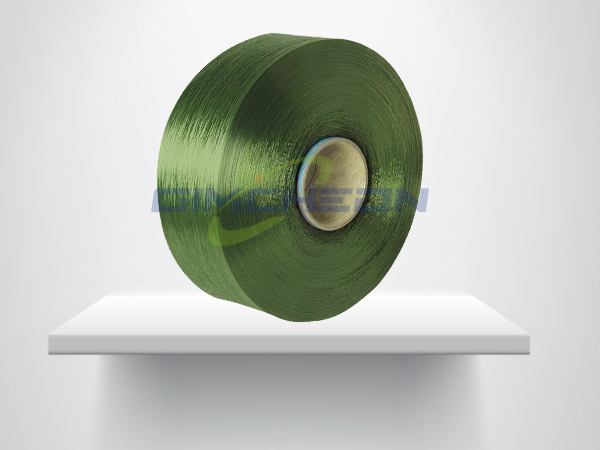
- How does polypropylene light bod
- The US has launched a new round
- Analysis of the Characteristics
- The suspension of navigation in
- Jinjiang Deke Textile Co., Ltd:
- Understanding the Characteristic
- The Divergent Changes and New Op
- Analysis of the Characteristics
- In 2026, there will be a structu
- Understand the characteristics a